How Trauma Affects the Brain and Body Over Time

Most people associate trauma with a single catastrophic event, a car accident, a violent assault, a natural disaster. But the science tells a more complicated story. Trauma is not just what happened to you. It is what happened inside you as a result, and those internal changes can persist long after the original event has passed. Understanding how trauma actually works, biologically and psychologically, can be the first step toward making sense of symptoms that might otherwise feel confusing or even shameful.
This article breaks down what trauma does to the nervous system, why certain symptoms appear weeks or even years later, how different types of trauma carry different risks, and what the research says about recovery. Whether you are trying to understand your own experiences or support someone close to you, the information here is meant to give you a clearer picture of a subject that is often misunderstood.
What Trauma Actually Does to the Brain
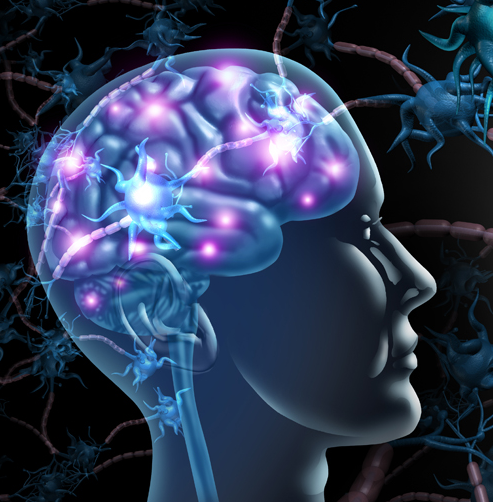
When a person encounters a perceived threat, the brain’s alarm system activates almost instantly. The amygdala, a small almond-shaped structure deep in the brain, fires signals that flood the body with stress hormones like cortisol and adrenaline. Heart rate spikes. Muscles tighten. Blood is redirected away from digestive and immune functions toward the limbs. This is the fight-or-flight response, and it is remarkably effective at keeping people alive in dangerous situations.
The problem arises when the threat passes but the brain does not fully register that the danger is over. In people who develop post-traumatic stress, the amygdala remains hyperactivated, responding to relatively neutral cues as though they signal serious danger. Meanwhile, the prefrontal cortex, the region responsible for rational thought, context, and emotional regulation, becomes less effective at calming those alarm signals. Research published by the National Institute of Mental Health has shown that individuals with PTSD exhibit measurably reduced volume in the hippocampus, the brain structure central to memory processing, which helps explain why traumatic memories often feel fragmented, intrusive, and stripped of their proper time context.
In practical terms, this means a trauma survivor might feel intense fear in response to a smell, a sound, or a social situation that resembles, even faintly, something connected to their original experience. The brain is not being irrational. It is pattern-matching based on past threat data, and it is erring heavily on the side of caution. The challenge is that this protective mechanism becomes a source of suffering when it is chronically activated.
See also: The Future of IoT Technology
Types of Trauma and Why the Distinction Matters
Not all trauma looks the same, and recognizing the differences has real implications for how symptoms present and how recovery unfolds. Clinicians generally distinguish between several broad categories.
| Type | Description | Common Examples |
| Acute Trauma | Results from a single, time-limited event | Accident, assault, natural disaster |
| Chronic Trauma | Repeated or prolonged exposure to distressing events | Ongoing abuse, domestic violence, war |
| Complex Trauma | Multiple, often interpersonal traumas, usually starting in childhood | Neglect, childhood emotional abuse, trafficking |
| Secondary Trauma | Indirect exposure through close contact with another person’s trauma | First responders, therapists, family members of survivors |
| Developmental Trauma | Trauma occurring during critical windows of brain development | Adverse childhood experiences (ACEs) |
The ACE (Adverse Childhood Experiences) Study, one of the largest investigations of childhood trauma and adult health outcomes ever conducted, found that individuals with four or more adverse childhood experiences were significantly more likely to develop depression, substance use disorders, and chronic physical illnesses compared to those with no ACEs. The relationship between early trauma and long-term health is not metaphorical. It is biological. Chronic stress during development alters gene expression, immune function, and the structural wiring of the brain itself.
The Body Keeps Score: Physical Symptoms of Unresolved Trauma
Trauma does not stay neatly contained in the mind. Bessel van der Kolk, a psychiatrist and researcher who has spent decades studying trauma, has extensively documented how traumatic stress becomes encoded in the body, affecting posture, muscle tension, breathing patterns, and the functioning of internal organs. People who have experienced trauma often report physical complaints that seem disconnected from any obvious psychological cause.
Common physical manifestations of unresolved trauma include the following.
- Chronic pain, especially in the back, neck, and shoulders
- Gastrointestinal problems such as irritable bowel syndrome
- Persistent fatigue and disrupted sleep
- Autoimmune conditions and increased susceptibility to illness
- Cardiovascular symptoms including racing heart and chest tightness
- Headaches and migraines with no clear medical cause
- Heightened sensitivity to touch or sound
The vagus nerve, which runs from the brainstem through the heart, lungs, and digestive tract, plays a central role here. Polyvagal theory, developed by neuroscientist Stephen Porges, suggests that trauma dysregulates the autonomic nervous system in ways that affect how safe a person feels in their own body and in social relationships. This is why body-based approaches to trauma recovery, such as somatic therapies and yoga-informed interventions, have gained significant research support alongside more traditional talk-based methods.
Recognizing PTSD and Related Conditions
Post-traumatic stress disorder is the most widely recognized diagnosis associated with trauma, but it is far from the only one. Many trauma survivors develop depression, generalized anxiety disorder, panic disorder, or dissociative conditions. Some develop complex PTSD, a diagnosis that reflects the broader and more pervasive impact of prolonged or repeated trauma, particularly when it begins in childhood or involves betrayal by a caregiver.
The American Psychiatric Association estimates that about 3.5 percent of U.S. adults experience PTSD in a given year, and roughly one in eleven people will be diagnosed with PTSD at some point in their lives. Women are twice as likely as men to develop the condition. These numbers almost certainly underestimate the true prevalence, since many people never seek diagnosis or live in communities where mental health care is inaccessible or stigmatized.
Key diagnostic criteria for PTSD center on four symptom clusters: intrusion symptoms such as flashbacks and nightmares; avoidance of trauma-related thoughts or reminders; negative changes in mood and cognition; and hyperarousal, which includes irritability, hypervigilance, and exaggerated startle responses. Symptoms must persist for more than one month and cause significant functional impairment to meet the clinical threshold.
Evidence-Based Approaches to Trauma Recovery
Recovery from trauma is genuinely possible. That statement deserves to be said plainly, because trauma survivors are sometimes given the implicit message that they are permanently damaged or that they simply need to learn to manage their symptoms indefinitely. The research does not support that bleak view. A substantial body of clinical evidence shows that with appropriate support, the brain and nervous system can reorganize in meaningful ways.
Seeking therapy for trauma from a trained clinician is one of the most consistently supported paths toward recovery, and several specific treatment modalities have been validated through rigorous clinical trials.
- Cognitive Processing Therapy (CPT): Helps individuals identify and restructure unhelpful beliefs that developed as a result of trauma. Widely used for PTSD and supported by multiple randomized controlled trials.
- Prolonged Exposure (PE): Involves gradual, guided exposure to trauma memories and avoided situations, reducing the fear response over time through a process called extinction learning.
- EMDR (Eye Movement Desensitization and Reprocessing): Uses bilateral sensory stimulation while a person recalls traumatic memories, facilitating adaptive processing. Endorsed by the World Health Organization as a first-line treatment.
- Somatic Experiencing: A body-focused approach that helps individuals discharge the physiological activation stored from traumatic events.
- Trauma-Focused Cognitive Behavioral Therapy (TF-CBT): Particularly well-supported for children and adolescents, integrating cognitive and behavioral components with trauma-specific elements.
It is worth noting that not every approach works equally well for every person. The severity of trauma, its type, the presence of co-occurring conditions, individual neurobiology, and a person’s relationship with the therapist all influence outcomes. Some people respond quickly to structured protocols. Others need a longer period of stabilization and relationship-building before engaging with trauma-focused processing. There is no single correct path, and the research consistently identifies the therapeutic relationship itself as one of the strongest predictors of successful outcomes.
Supporting Someone Who Has Experienced Trauma
If someone you care about is living with the effects of trauma, your instinct might be to help by encouraging them to talk about what happened. That impulse comes from a good place, but it is important to understand that pushing for disclosure before a person is ready can actually deepen distress. Trauma survivors often need to feel safe and in control before they can begin to process their experiences, and that sense of safety must be earned through consistent, low-pressure connection.
Practical ways to offer support include listening without judgment when the person chooses to speak, avoiding minimizing language such as ‘at least’ or ‘you should be over it by now’, learning about trauma responses so you can better understand behaviors that might otherwise seem confusing or frustrating, and respecting boundaries around physical contact and certain topics. Supporting someone through trauma recovery is often a long process. Patience and consistency tend to matter more than any single conversation.
The Role of Community and Lifestyle in Recovery
Professional treatment is a vital piece of trauma recovery, but it rarely exists in isolation from the rest of a person’s life. Research on resilience consistently shows that social connection is one of the most powerful buffers against the long-term effects of traumatic stress. Feeling genuinely seen and accepted by even one or two trusted people can significantly alter a trauma survivor’s sense of safety in the world.
Lifestyle factors also carry real weight. Regular aerobic exercise has been shown in multiple studies to reduce PTSD symptom severity, partly by modulating cortisol levels and promoting neuroplasticity. Sleep, which trauma frequently disrupts, is essential for emotional regulation and memory consolidation. Mindfulness-based practices, when introduced carefully and adapted for trauma survivors, can help build the capacity to tolerate difficult internal states without becoming overwhelmed by them. None of these replace clinical treatment, but they can meaningfully support and extend the gains made in a therapeutic setting.
Trauma is one of the most common and most underestimated forces shaping human health and behavior. Its effects are not a sign of weakness, and they are not permanent. Understanding the biology behind trauma responses, recognizing the range of ways trauma can present, and knowing what effective support looks like puts people in a much stronger position, whether they are working through their own history or trying to help someone else through theirs.