Stimulant Addiction: Signs, Effects & Recovery

Most people picture opioids or alcohol when they think about serious addiction. Stimulants rarely get the same attention, which is part of why so many people struggling with cocaine, methamphetamine, or prescription amphetamines go without help for far too long. The reality is that stimulant use disorders are widespread, the physical and psychological consequences are severe, and recovery, while absolutely possible, requires a clear understanding of what the body and brain are actually going through.
This article covers how stimulant addiction forms, what withdrawal looks like in practice, how medical professionals approach treatment, and what the recovery timeline tends to look like for most people. Whether you are trying to understand your own situation or support someone you care about, the information here should give you a grounded, realistic picture.
How Stimulant Addiction Takes Hold
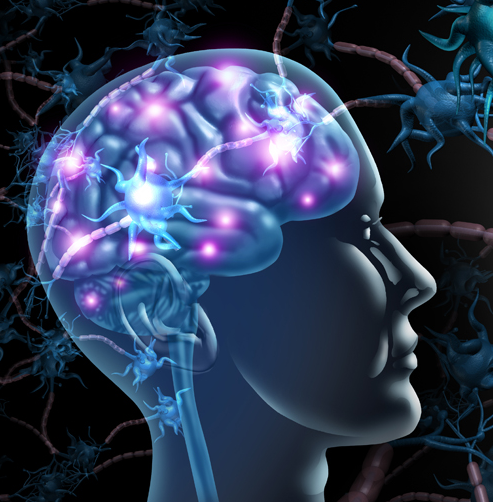
Stimulants work by flooding the brain with dopamine, norepinephrine, and serotonin, producing intense feelings of energy, confidence, and pleasure. The brain is not built for that kind of chemical surge on a repeated basis. Over time, it compensates by reducing its own production of these neurotransmitters and downregulating the receptors that respond to them. The result is a brain that feels flat, unmotivated, and exhausted without the drug.
This neurological adaptation is what drives compulsive use. People are not just chasing a high at that point; they are trying to feel functional. According to the Substance Abuse and Mental Health Services Administration (SAMHSA), approximately 1.6 million people in the United States met criteria for a stimulant use disorder in 2021, a figure that has risen steadily alongside the spread of methamphetamine and misuse of prescription ADHD medications.
Dependence can develop faster with some stimulants than others. Methamphetamine, for example, produces a longer-lasting and more intense dopamine release than cocaine, which contributes to rapid tolerance and a quicker slide into compulsive use. Prescription stimulants like Adderall or Ritalin carry lower but still real risks, particularly when taken in doses above what is prescribed or by people without ADHD.
See also: The Future of IoT Technology
Recognizing the Signs of Stimulant Use Disorder
Stimulant addiction does not always look like what people expect. Someone might appear highly productive, sociable, or driven, at least in the early stages. As use escalates, the signs become harder to overlook.
- Using more of the substance than originally intended, or using it more frequently.
- Spending large amounts of time obtaining, using, or recovering from the drug.
- Neglecting work, school, relationships, or personal hygiene.
- Continuing to use despite clear negative consequences.
- Experiencing strong cravings that make it difficult to focus on anything else.
- Noticeable mood swings: elevated and talkative while using, irritable and withdrawn when not.
- Physical changes such as rapid weight loss, dental problems, skin picking, or disrupted sleep.
- Paranoia, anxiety, or psychosis-like symptoms with heavy or prolonged use.
The psychiatric symptoms deserve special attention. Stimulant-induced psychosis, which can closely resemble schizophrenia, is not rare with heavy methamphetamine use. A 2019 review published in the journal Frontiers in Psychiatry found that around 40% of people with methamphetamine use disorder experience psychotic symptoms at some point. These symptoms often resolve with abstinence, but they can also persist and require separate treatment.
What Withdrawal Actually Feels Like
One reason stimulant withdrawal is sometimes minimized is that it does not carry the same acute physical danger as alcohol or opioid withdrawal. There are no seizures, no vomiting, no risk of death from the withdrawal process itself. But calling it mild would be deeply misleading.
The crash after stopping stimulant use is often severe. The brain, depleted of its ability to generate normal levels of dopamine, produces a state that feels like profound depression combined with crushing fatigue. Sleep becomes chaotic. Hunger returns intensely after periods of appetite suppression. And the psychological pull toward using again is strongest precisely when a person feels at their worst.
| Phase | Typical Timing | Common Symptoms |
| Crash | Hours to 1-2 days after last use | Extreme fatigue, increased sleep, low mood, increased appetite |
| Acute withdrawal | Days 2 through 10 | Depression, irritability, strong cravings, difficulty concentrating, anxiety |
| Post-acute phase | Weeks to months | Persistent low mood, anhedonia, intermittent cravings, sleep disturbances |
| Extended recovery | 3 to 12+ months | Gradual mood stabilization, cognitive improvement, reduced craving frequency |
The post-acute phase is where many people relapse. The acute discomfort has passed, but the brain is still recalibrating. Anhedonia, the inability to feel pleasure from normal activities, can persist for weeks or months and is one of the most significant barriers to sustained recovery. Understanding this timeline helps set realistic expectations.
Medical and Clinical Approaches to Stimulant Recovery
There are currently no FDA-approved medications specifically for stimulant use disorder, which is a genuine gap in the treatment landscape. Research into options like bupropion, naltrexone, and mirtazapine is ongoing, and some clinicians use these medications off-label to manage specific symptoms. This does not mean medical care is irrelevant. Far from it.
For people detoxing from stimulants, supervised medical care provides monitoring for psychiatric complications, management of sleep disruption, nutritional support, and a structured environment during the most vulnerable phase of early recovery. The absence of life-threatening withdrawal symptoms does not mean the process is safe to go through alone, particularly for heavy or long-term users.
On the behavioral side, the evidence base for stimulant addiction is actually quite strong. Contingency management, a treatment model that provides small tangible rewards for verified abstinence, has produced some of the highest success rates of any intervention for stimulant use disorders. A meta-analysis published in JAMA Psychiatry found that contingency management significantly outperformed other behavioral treatments for stimulant dependence across multiple studies.
Cognitive Behavioral Therapy and Relapse Prevention
Cognitive behavioral therapy (CBT) is another cornerstone of stimulant treatment. It helps people identify the specific thoughts, emotions, and environmental triggers that precede use, then build concrete coping strategies to interrupt those patterns. Unlike some other mental health applications, CBT for addiction is typically time-limited and focused on practical skills rather than insight alone.
The Role of Co-occurring Mental Health Conditions
A significant portion of people with stimulant use disorders also have underlying conditions like ADHD, depression, anxiety, or PTSD. Sometimes the stimulant use began as a form of self-medication. Treating the addiction without addressing the underlying condition often leads to relapse. Integrated treatment that handles both simultaneously tends to produce better outcomes than addressing them sequentially.
Building a Recovery Plan That Holds
Recovery from stimulant addiction is not a single event. It is a process that unfolds over months and requires consistent effort across several areas of life. The most successful recovery plans tend to share a few characteristics.
- A structured daily routine that reduces unscheduled time, which is a common relapse trigger.
- Regular physical exercise, which research consistently links to improved mood, better sleep, and reduced cravings during recovery.
- A support network that includes people who understand addiction, whether through peer support groups, family involvement, or both.
- Ongoing professional support, at least through the first year, given how long neurological recovery takes.
- A clear and personalized relapse prevention plan that identifies high-risk situations in advance.
- Attention to sleep hygiene, nutrition, and stress management, areas that directly affect the brain’s ability to stabilize.
Peer support groups specific to stimulant addiction, including Crystal Meth Anonymous and Cocaine Anonymous, provide community and accountability that clinical settings alone cannot replicate. Many people find that connection with others who have been through similar experiences is one of the most sustaining parts of long-term recovery.
What Recovery Actually Looks Like Over Time
The brain does recover. That is worth stating plainly because many people, after months of heavy stimulant use, genuinely wonder if they will ever feel normal again. Neuroimaging research has shown measurable improvements in dopamine system function after sustained abstinence, with some studies documenting meaningful recovery in brain regions associated with reward, decision-making, and impulse control after 12 to 14 months of abstinence.
The early months are the hardest. Mood is unpredictable. Motivation is low. Simple tasks can feel overwhelming. But most people who maintain abstinence through that first difficult year report significant improvements in sleep quality, emotional stability, cognitive function, and their general sense of wellbeing. The trajectory is real, even if progress is not always linear.
Relapse, if it happens, is not failure. It is a common part of the recovery process for many people and a signal that the treatment plan needs adjustment, not that recovery is impossible. The goal is to shorten the time between relapse and re-engagement with support, not to achieve a flawless record on the first attempt. Sustained recovery is built on persistence, not perfection.
Stimulant addiction is serious and often underestimated, but it responds well to treatment when that treatment is comprehensive, individualized, and sustained over time. Understanding the neuroscience behind it, recognizing what withdrawal truly involves, and building a recovery plan grounded in evidence are all steps in the right direction.