How Depression Affects Daily Life and What Helps

Most people assume depression just means feeling sad. But anyone who has lived through it, or watched someone close to them struggle, knows that description barely scratches the surface. Depression can reshape how a person thinks, sleeps, eats, and relates to the people around them. It can make ordinary tasks feel impossible and turn previously enjoyable activities into sources of exhaustion or indifference. Understanding what depression actually is, how it develops, and what effective care looks like gives people a much clearer picture of what they or someone they love might be facing.
What Depression Actually Looks Like
Clinical depression, formally called major depressive disorder, is a medical condition with a recognizable set of symptoms that persist for weeks or months rather than lifting after a few difficult days. The Diagnostic and Statistical Manual of Mental Disorders requires that at least five specific symptoms be present during the same two-week period, with one of those symptoms being either depressed mood or a marked loss of interest or pleasure in activities.
What trips people up is how differently depression can present from one person to the next. Some individuals become withdrawn and tearful. Others feel numb rather than sad, going through daily motions without any sense of engagement. Some experience significant irritability, which often goes unrecognized as a depression symptom. Physical complaints like persistent headaches or digestive problems can also be a primary way depression shows up, particularly in people who find it difficult to talk about emotional distress.
- Persistent depressed or empty mood lasting most of the day
- Loss of interest or pleasure in activities once enjoyed
- Changes in appetite or weight, either increase or decrease
- Sleep disturbances, including insomnia or sleeping too much
- Fatigue and low energy even after adequate rest
- Difficulty concentrating, remembering details, or making decisions
- Feelings of worthlessness or excessive guilt
- Psychomotor changes such as slowed movement or restless agitation
- Recurrent thoughts of death or suicidal ideation
Who Gets Depressed and Why
Depression does not discriminate. According to the World Health Organization, an estimated 280 million people worldwide live with depression, making it one of the leading causes of disability globally. In the United States, the National Institute of Mental Health reported that approximately 8.3 percent of adults experienced at least one major depressive episode in 2021. Despite those numbers, it remains widely misunderstood and undertreated.
The causes of depression are rarely simple or singular. Research consistently points to a combination of biological, psychological, and social factors rather than any one cause. Genetic vulnerability plays a real role; people with a first-degree relative who has had depression face a higher lifetime risk themselves. Neurobiological factors, including changes in how the brain regulates mood-related neurotransmitters like serotonin, dopamine, and norepinephrine, are also part of the picture. Chronic stress, trauma, significant loss, medical illness, and even certain medications can trigger depressive episodes in people who carry that underlying susceptibility.
Hormonal shifts are another significant factor. Postpartum depression affects roughly one in seven new mothers, according to the American Psychological Association, and depression rates tend to spike during perimenopause and following other major hormonal transitions. Adolescence is also a high-risk window, partly because of brain development and partly because of the social and identity pressures that come with that stage of life.
See also: The Future of IoT Technology
Types of Depression Worth Knowing
Not all depressive conditions fit the same mold, and distinguishing between types matters because the treatment approach can differ meaningfully.
| Type | Key Features | Duration |
| Major Depressive Disorder | Discrete episodes of significant depression meeting full diagnostic criteria | Episodes typically last weeks to months |
| Persistent Depressive Disorder (Dysthymia) | Chronically low mood that is less severe but longer lasting | By definition at least two years |
| Seasonal Affective Disorder | Depressive episodes tied to seasonal light changes, most often winter | Recurs seasonally each year |
| Postpartum Depression | Major depression onset after childbirth, often within the first year | Varies; often weeks to months without treatment |
| Bipolar Depression | Depressive episodes that alternate with periods of mania or hypomania | Varies; part of a cyclical pattern |
| Premenstrual Dysphoric Disorder | Severe mood symptoms in the luteal phase of the menstrual cycle | Resolves with onset of menstruation |
The distinction between bipolar depression and major depressive disorder is especially important because antidepressants used alone can trigger manic episodes in bipolar disorder. A thorough clinical evaluation is the only reliable way to sort this out, which is one reason self-diagnosis and self-treatment carry real risks.
Evidence-Based Treatment Options
Decades of clinical research have produced a clear picture of what works for depression. Psychotherapy and medication remain the two most established treatment categories, and for many people, combining both produces better results than either approach alone.
Psychotherapy
Cognitive behavioral therapy, or CBT, has the strongest evidence base for depression treatment and has been studied extensively across age groups and severity levels. CBT works by helping people identify distorted thinking patterns that fuel depressive symptoms and replace them with more accurate, flexible ways of interpreting experiences. Behavioral activation, a component of CBT, focuses specifically on re-engaging with meaningful activities to counteract the withdrawal cycle that deepens depression. Other therapy approaches with solid research support include interpersonal therapy, which targets relationship patterns and life transitions, and problem-solving therapy, which builds practical coping skills.
Medication
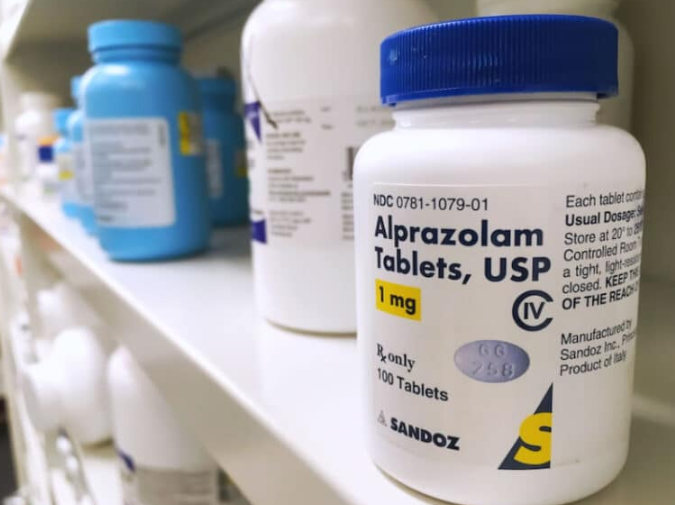
Antidepressant medications work by influencing neurotransmitter systems in the brain. Selective serotonin reuptake inhibitors, or SSRIs, are typically the first line of pharmacological treatment because of their relatively favorable side effect profile compared to older antidepressant classes. Serotonin-norepinephrine reuptake inhibitors, or SNRIs, are another common option. For people who do not respond to first-line medications, there are multiple other classes to consider, and psychiatrists often adjust or augment medication regimens based on individual response. Medication decisions should always be made in collaboration with a qualified prescriber who knows the full clinical picture.
Structured Treatment Programs
When depression is severe, persistent, or complicated by other mental health conditions, outpatient therapy sessions once a week may not be enough to create meaningful change. In those cases, a more intensive and structured setting can make a significant difference. Enrolling in a depression treatment program that offers a higher level of care, such as a partial hospitalization or intensive outpatient program, gives people more frequent therapeutic contact, group support, psychiatric oversight, and a structured daily routine that itself has therapeutic value. These programs are designed for people who need more than weekly therapy but do not require inpatient hospitalization.
Lifestyle and Adjunctive Approaches
Exercise is one of the most consistently supported adjunctive interventions for depression. A meta-analysis published in JAMA Psychiatry in 2023 found that physical activity was significantly more effective than control conditions for reducing depressive symptoms across a wide range of exercise types and intensities. Sleep hygiene also matters enormously, since poor sleep and depression create a reinforcing cycle that makes both conditions worse. Dietary patterns, social connection, and stress management practices each contribute to the overall trajectory of recovery, even if none of them alone constitutes treatment.
Barriers That Keep People From Getting Help
Even with effective treatments available, a substantial portion of people with depression never receive any professional care. Understanding why helps explain what needs to change at both individual and systemic levels.
- Stigma: Many people still internalize the belief that depression reflects a personal weakness rather than a medical condition, which creates shame around seeking help.
- Symptom interference: Depression itself causes low motivation, fatigue, and difficulty making decisions, all of which are obstacles to initiating care.
- Access and cost: Mental health care remains unaffordable or geographically inaccessible for many people, particularly in rural areas or lower income brackets.
- Misidentification: People often attribute depressive symptoms to stress, burnout, or physical illness, delaying recognition of what is actually happening.
- Previous negative experiences: A bad experience with a provider or a treatment that did not work can make someone reluctant to try again, even when other options exist.
Addressing these barriers requires honest conversations, better mental health literacy, and systems that make it easier rather than harder to ask for help. Primary care providers can play an important screening role, since many people with depression will visit a general physician with physical complaints before they ever see a mental health specialist.
What Recovery Looks Like Over Time
Recovery from depression is rarely a straight line. Many people experience partial improvement followed by setbacks, or achieve remission only after trying several different treatment combinations. Research suggests that roughly half of people with major depressive disorder will have a recurrence at some point, which means that understanding depression as a condition that may require ongoing management is more realistic than expecting a single course of treatment to resolve everything permanently.
That said, the majority of people who receive adequate treatment do improve. The challenge is persistence, finding the right combination of interventions, and having realistic expectations about the timeline. Early treatment generally produces better outcomes than delayed treatment, partly because prolonged depressive episodes can create neurological and psychosocial effects that take time to reverse. Staying connected to care even during periods of partial improvement is one of the most important things a person can do to protect their long-term wellbeing.
Depression is a serious and sometimes life-altering condition, but it is also one of the most treatable mental health challenges that exists. With accurate diagnosis, appropriate care, and the right support structures in place, meaningful recovery is achievable for most people. The first step is usually the hardest one, but it is also the most consequential.