Why Alcohol Makes Your Body Bruise More Easily

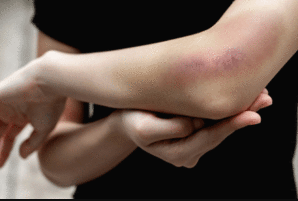
A bruise shows up on your arm after a minor bump, and you barely remember knocking into anything. For someone who drinks regularly, this kind of thing happens more than it should. Unexplained bruising is not random bad luck. It often points to specific changes happening inside the body, changes that alcohol directly drives. Understanding those changes can help you make sense of what your body is trying to tell you.
This article breaks down the physiology behind alcohol-related bruising, the nutritional and liver factors that make it worse, the difference between occasional and chronic effects, and the signs that suggest it is time to talk to a doctor.
How Bruising Actually Works
A bruise forms when small blood vessels called capillaries break under the skin and blood leaks into surrounding tissue. Normally, your body responds fast. Platelets rush to the site, clot proteins activate, and the bleeding stops before much blood escapes. The discolored patch that remains is just pooled blood being slowly reabsorbed.
When any part of that process is disrupted, bruises form more easily, spread larger, and take longer to fade. Alcohol disrupts several parts of it at once. That is what makes the combination so noticeable for regular drinkers.
See also: The Future of IoT Technology
The Role of Platelets and Clotting Factors
Platelets are small cell fragments that circulate in your blood and are the first responders to any vessel injury. Alcohol has a direct suppressive effect on platelet production in the bone marrow. Even moderate drinking can temporarily lower platelet counts, and heavy or chronic use can reduce them significantly. Fewer platelets means slower clot formation, which means more blood escapes into tissue before the wound seals.
Beyond platelets, clotting depends on a series of proteins called clotting factors, most of which are produced in the liver. Alcohol is toxic to liver cells. As the liver sustains damage from prolonged drinking, its ability to synthesize these proteins declines. The result is what clinicians call coagulopathy, a general impairment in the blood’s ability to clot properly. According to research published in the journal Alcohol and Alcoholism, heavy alcohol use is one of the leading non-genetic causes of acquired coagulation disorders.
Nutritional Deficiencies That Compound the Problem
Alcohol interferes with the absorption and metabolism of several key nutrients. Two of the most significant for bruising are vitamin C and vitamin K.
Vitamin C and Capillary Strength
Vitamin C is essential for synthesizing collagen, the structural protein that keeps blood vessel walls strong and flexible. When vitamin C levels drop, capillaries become fragile. They rupture under pressure that would not normally cause any damage at all. Alcohol impairs vitamin C absorption in the gut and also increases how quickly the body uses and excretes it. Chronic drinkers often show measurably low plasma vitamin C levels even when their diet includes some fruit and vegetables.
Vitamin K and Clotting Proteins
Vitamin K is required to activate several of the liver’s clotting factors. Without adequate vitamin K, those factors remain inactive, and clotting is impaired even if the liver itself is still relatively healthy. Alcohol disrupts gut bacteria that produce a portion of the body’s vitamin K supply, and it also reduces the liver’s ability to process the vitamin K that does arrive. This creates a double deficit that directly extends bleeding time after any capillary injury.
How the Liver Fits Into the Picture
The liver sits at the center of almost every clotting mechanism the body uses. It makes clotting factors, it stores vitamin K, and it filters the blood. When alcohol causes liver disease, whether early fatty liver, alcoholic hepatitis, or cirrhosis, every one of those functions takes a hit.
Cirrhosis is the most advanced stage, and it is associated with severe bruising and bleeding tendencies. But meaningful clotting impairment can show up well before cirrhosis develops. Someone with moderate fibrosis or persistent alcoholic hepatitis may already have enough liver compromise to bruise more easily than a healthy person.
The liver also produces a protein called thrombopoietin, which signals bone marrow to make platelets. Liver disease lowers thrombopoietin output, adding another layer to the platelet problem described earlier.
| Factor Affected | How Alcohol Disrupts It | Bruising Effect |
| Platelet production | Bone marrow suppression; low thrombopoietin from damaged liver | Slower initial clot formation |
| Clotting factors (I, II, V, VII, IX, X) | Reduced liver synthesis due to hepatocellular damage | Prolonged bleeding time |
| Vitamin K activation | Impaired gut bacteria; reduced liver processing | Inactive clotting proteins |
| Collagen and capillary integrity | Vitamin C depletion reduces collagen synthesis | Fragile vessels that rupture easily |
| Platelet aggregation | Alcohol directly inhibits platelet stickiness | Clot forms slowly even when counts are normal |
Acute vs. Chronic Effects: They Are Not the Same
A single night of heavy drinking produces some temporary platelet suppression and mild blood vessel dilation. Dilation alone can make vessels more vulnerable. You might notice a bruise or two after a night out that seem disproportionate to any impact. That is an acute effect. It is worth noting, but it tends to resolve within a day or two once alcohol clears the system.
Chronic heavy drinking is a different situation. The effects compound over time. Liver function deteriorates. Nutritional deficits deepen. Platelet counts trend lower. People who drink heavily for months or years often find that bruises from drinking become a persistent and worsening pattern, appearing with little or no provocation and taking weeks rather than days to clear.
The distinction matters because the acute effects are largely reversible with abstinence. The chronic effects, especially those tied to liver damage, may require medical treatment and may not fully reverse even after drinking stops.
Warning Signs That Deserve Medical Attention
Not every bruise calls for a doctor visit. But certain patterns and accompanying symptoms suggest something more serious is happening.
- Bruises that appear without any remembered impact, especially on the torso or back rather than the limbs
- Bruises that are unusually large or that keep growing after they first appear
- Bleeding gums, frequent nosebleeds, or cuts that bleed for longer than expected
- Jaundice (yellowing of the skin or whites of the eyes), which points to liver dysfunction
- Abdominal swelling or pain in the upper right quadrant, which may indicate liver enlargement
- Fatigue, confusion, or significant unexplained weight loss accompanying the bruising
- Small red or purple pinpoint spots on the skin called petechiae, which indicate bleeding at the capillary level
Any of these alongside a history of regular or heavy drinking warrants prompt evaluation. A basic blood panel, including a complete blood count and liver function tests, can give a clear picture of what is happening and how advanced the damage may be.
What Happens When Drinking Stops
For people with mild to moderate alcohol-related changes, the body is capable of significant recovery. Platelet counts typically begin to rebound within one to two weeks of stopping drinking. Nutritional deficiencies, particularly vitamin C and K, respond well to dietary correction and supplementation. Liver cells regenerate when given time and the right conditions.
Research from the National Institute on Alcohol Abuse and Alcoholism has documented partial or full liver recovery in patients who achieve sustained abstinence, particularly those without advanced fibrosis or cirrhosis. Even patients with early cirrhosis can sometimes see measurable improvements in clotting function over months of abstinence.
Recovery is not guaranteed, and it is not linear. But the physiology strongly supports the idea that stopping or significantly reducing alcohol use gives the body a genuine chance to repair the mechanisms that protect against easy bruising and excessive bleeding.
Bruising may seem like a minor cosmetic issue, but when it appears in the context of regular alcohol use, it is a meaningful signal. The body does not produce unexplained bruises without reason. Paying attention to that signal, understanding its roots, and taking it seriously can be the first step toward protecting long-term health.