Artificial Grass for Dogs: What Every Pet Owner Should Know

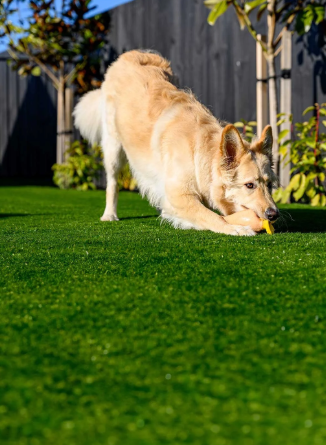
Dogs are hard on lawns. Between the digging, the running, and the urine burns that leave yellow patches across otherwise green grass, a natural lawn can look pretty rough within a single summer. Artificial grass has become a genuinely popular solution for pet owners, and for good reason. But not all synthetic turf is created equal, and installing it without understanding a few key principles can turn a promising upgrade into a smelly, expensive headache. Here is what you actually need to know before making the switch.
Why Natural Grass Struggles in High-Pet Households
Natural grass is a living system that depends on balanced soil chemistry, adequate water, and time to recover from stress. Dogs disrupt all three. Dog urine is high in nitrogen, which sounds beneficial for grass but acts more like a concentrated fertilizer burn when deposited repeatedly in the same spots. According to the American Kennel Club, the damage is caused by the high concentration of nitrogen compounds, particularly urea, combined with the repeated nature of a dog’s bathroom habits in familiar spots.
Beyond urine, dogs compact soil through their daily running patterns, reducing the oxygen flow roots need. They dig. They drag toys across the same paths until bare soil replaces grass. Reseeding works temporarily, but most homeowners with active dogs find themselves in a cycle of patching that never fully resolves. Artificial grass sidesteps that cycle entirely because there is no living plant system to damage.
See also: The Future of Robotics Technology
How Artificial Grass Actually Handles Pet Waste
One of the most common concerns pet owners raise is odor. It is a fair concern. If synthetic turf is installed incorrectly or made from the wrong materials, waste can accumulate in the infill layer and create persistent smells that worsen in heat. Understanding how drainage and infill work together is the key to avoiding that problem.
Drainage Systems
Quality pet turf is designed with a perforated or flow-through backing that allows liquid to pass through quickly rather than pooling on the surface. The drainage rate matters more than most buyers realize. A turf product with a drainage rate of at least 30 inches per hour is generally considered adequate for residential pet use, though some premium products drain at rates well above that. The base layer beneath the turf, typically crushed aggregate, also needs to be properly graded so liquids move away from the surface and do not collect underneath.
Infill Selection for Pet Areas
Infill is the granular material spread between the turf fibers to give the grass its upright posture and cushion. For pet areas, the infill choice is more consequential than in standard landscaping applications. Crumb rubber, while inexpensive and common in sports fields, raises questions about heat retention and chemical composition that make many pet owners uncomfortable. Silica sand is widely used and affordable but can trap odors over time without antimicrobial treatment. Zeolite is a natural mineral infill that actively absorbs ammonia, making it a popular option specifically for pet installations. Some installers use a combination of silica sand and zeolite to balance cost and performance.
What to Look for in Turf Materials
Not every turf product on the market is appropriate for dogs. The fiber material, pile height, and blade shape all affect how the turf performs in a pet environment. Polyethylene fibers are generally considered the softest and most paw-friendly option. Polypropylene is less expensive but stiffer and more likely to cause irritation with rough use. Nylon is durable but tends to retain heat more than polyethylene, which matters in sunny climates where surface temperatures can rise significantly on warm days.
Pile height for pet areas typically works best in a moderate range, somewhere between 1.25 and 1.75 inches. Very short piles clean easily but feel less natural underfoot. Very tall piles can trap debris and are harder to keep hygienic. Blade shape also plays a role in comfort, with C-shaped or W-shaped blades offering good resilience and a softer feel compared to flat blades.
| Turf Fiber Type | Softness | Heat Retention | Durability | Best For |
| Polyethylene | High | Moderate | High | Pet and play areas |
| Polypropylene | Low to moderate | Low | Moderate | Lower-traffic areas |
| Nylon | Moderate | High | Very high | High-traffic sports use |
Installation Considerations That Make a Real Difference
The quality of the turf product itself only accounts for part of the outcome. Installation practices have an enormous impact on how the finished surface performs and how long it lasts. A proper pet turf installation starts with site preparation: removing existing vegetation, excavating to an appropriate depth, and creating a stable base with the right aggregate material to support drainage and prevent shifting over time.
Seams are another installation variable that matters. Poorly executed seams become visible over time and can catch pet claws, creating trip hazards and accelerating edge wear. A skilled installer will orient seam lines away from high-traffic paths and use the appropriate adhesive or nailing pattern for the specific turf product being used. Edges along fences, garden beds, and hardscaping need to be secured firmly to prevent the turf from lifting, which happens more in pet areas because dogs often run hard along perimeter lines.
Keeping Pet Turf Clean and Odor-Free
Maintenance is simpler than natural lawn care but it is not entirely hands-off. Solid waste should be picked up promptly, just as it would on any surface. Liquid waste can typically be left to drain naturally during dry weather, but a periodic rinse with a garden hose helps dilute any residue and keep the surface fresh. In warmer months or in households with multiple dogs, more frequent rinsing makes a noticeable difference.
- Remove solid waste promptly to prevent odor buildup and staining.
- Rinse the surface with a hose at least once a week in warm weather.
- Use a diluted enzyme-based cleaner monthly to break down ammonia compounds in the infill.
- Brush the turf fibers occasionally with a stiff-bristle broom to keep them upright and distribute infill evenly.
- Inspect edges and seams seasonally to catch any lifting or separation early.
- Replenish infill if it becomes noticeably thin, especially in areas where dogs run repeatedly.
Enzyme-based cleaners deserve a specific mention because they work differently from standard disinfectants. Rather than masking odors, they break down the organic compounds causing the smell at a molecular level. They are safe for use around pets once dry, and regular use can significantly extend the period between more intensive maintenance. Avoid bleach-based cleaners, which can degrade turf fibers and infill over time.
Heat and Safety: A Factor Worth Taking Seriously
Synthetic turf gets hotter than natural grass in direct sunlight. This is one of the most documented limitations of the material, and it is worth understanding before installing it in a space where dogs will spend time during midday summer heat. Research published in various landscape and sports science journals has measured surface temperatures on synthetic turf at anywhere from 20 to 70 degrees Fahrenheit above ambient air temperature depending on the product, the color, and the amount of infill present.
A few practical strategies help manage this. Lighter-colored turf products absorb less heat than darker green shades. Keeping the surface rinsed with water before dogs use it on hot days drops the temperature quickly. Providing shaded areas within the space gives dogs a cooler option when the turf surface is at its warmest. Some newer turf products include heat-mitigation technology in the fiber itself, though independent data on the actual effectiveness of these coatings is still limited.
Choosing the right product, preparing the site properly, and committing to basic ongoing maintenance are the three factors that separate a great long-term outcome from one that disappoints. Dogs and artificial grass are genuinely compatible when those fundamentals are in place, and for most pet owners who make the switch thoughtfully, the elimination of mud, urine burns, and constant reseeding makes it a decision worth making.