How Phobias Work and What Actually Helps

Most people have something they dislike or feel uneasy around. Heights, spiders, the dentist. That unease is normal. But for roughly 12 percent of adults in the United States, according to the National Institute of Mental Health, the fear crosses into a territory that disrupts daily life entirely. That is a phobia, and it is one of the most common mental health conditions in the world. Understanding how phobias actually work, why they resist logical reassurance, and what evidence-based approaches exist can make a real difference for anyone trying to understand their own experience or support someone they care about.
What Separates a Phobia from Ordinary Fear
Fear is useful. It is a survival mechanism that has been refined over millions of years of evolution. When your brain detects a genuine threat, the amygdala triggers a cascade of physical responses, including a spike in adrenaline, increased heart rate, and narrowed focus. That response kept early humans alive. The problem with a phobia is that this same system fires in response to objects or situations that pose little or no real danger, and it fires with the same intensity regardless of what logic says.
The clinical distinction matters. A phobia is not simply being nervous about something. To meet diagnostic criteria outlined in the DSM-5, the fear must be persistent, typically lasting six months or more. It must be disproportionate to the actual threat. The person must either avoid the trigger entirely or endure it with significant distress. And the fear must cause meaningful interference with work, relationships, or daily functioning. When all of those boxes are checked, the experience has moved well beyond ordinary caution.
See also: The Future of IoT Technology
The Main Categories of Phobias
Clinicians group phobias into three broad categories, each with its own typical patterns and triggers.
| Category | Common Examples | Key Feature |
| Specific Phobia | Spiders, flying, needles, heights, vomiting, dogs | Fear is tied to a particular object or situation |
| Social Phobia (Social Anxiety Disorder) | Public speaking, eating in public, meeting new people | Fear centers on scrutiny or embarrassment from others |
| Agoraphobia | Open spaces, crowds, being outside the home alone | Fear of situations where escape feels difficult or help is unavailable |
Specific phobias are further divided into subtypes: animal, natural environment, blood-injection-injury, situational, and other. The blood-injection-injury subtype is notably different from most other phobias because it can trigger a vasovagal response, causing the person’s blood pressure and heart rate to drop rather than spike. That physical quirk affects how clinicians approach it.
How Phobias Develop in the First Place
There is rarely a single clean explanation for why one person develops a phobia and another does not. Research points to a combination of factors working together.
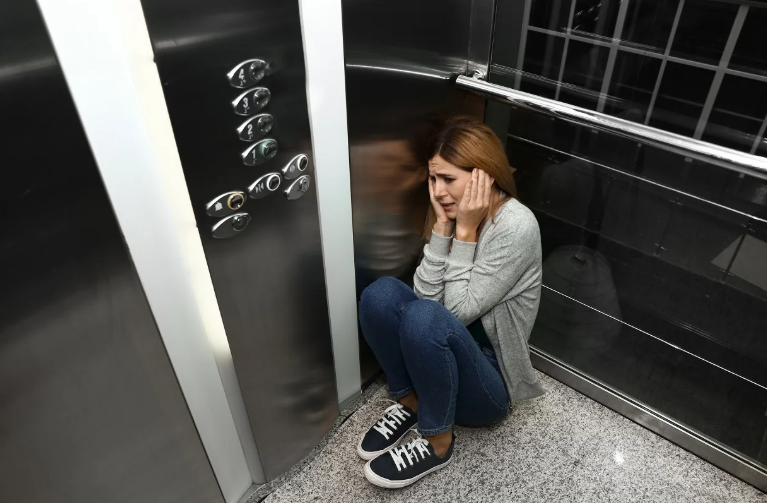
- Direct traumatic experience: A dog bite in childhood, a terrifying turbulence event on a flight, or a panic attack in an elevator can establish a strong conditioned fear response that the brain then generalizes.
- Observational learning: Watching a parent or sibling react with intense fear to something can teach a child that the object or situation is genuinely dangerous, even without any direct negative experience.
- Informational transmission: Being repeatedly told that something is dangerous, particularly during childhood, can build an association between the stimulus and threat.
- Genetic predisposition: Twin studies suggest that anxiety disorders, including phobias, have a heritable component. Someone with a close relative who has an anxiety disorder has a higher baseline risk.
- Evolutionary preparedness: Humans appear to acquire fears of certain stimuli, such as snakes, spiders, and heights, more readily than others. This likely reflects ancestral threats, even in people who have never encountered real danger from them.
What sustains a phobia once it forms is often avoidance. Each time a person sidesteps the feared object or situation, they get a short-term sense of relief. That relief reinforces the avoidance behavior, and the brain learns: avoiding this thing makes me feel safe. Over time, the avoidance grows. The feared object or situation never gets a chance to be reassessed, so the fear stays intact or intensifies.
The Physical and Psychological Toll
It is easy to underestimate how much a phobia can shrink a person’s world. Someone with a driving phobia may turn down jobs that require commuting. A person with a phobia of choking or vomiting may restrict their diet to a narrow range of soft foods and lose significant weight. Social phobia can prevent people from building friendships, pursuing promotions, or attending events that most people take for granted.
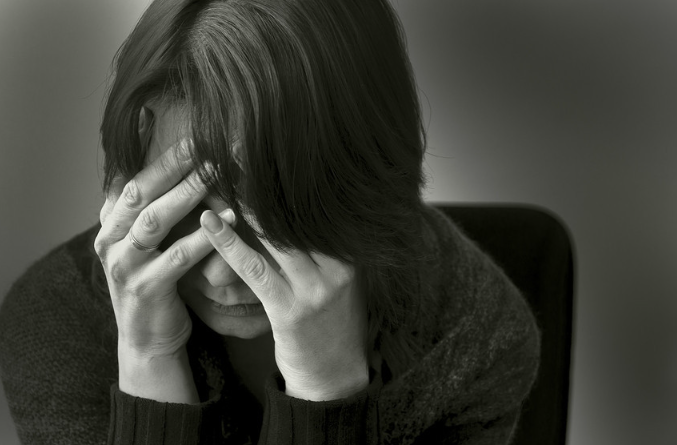
The psychological cost compounds over time. Shame is common. Many people with phobias describe feeling embarrassed or childish for being afraid of something they know is not genuinely dangerous. That shame often prevents them from seeking help or even discussing the issue openly. Depression and secondary anxiety are frequent companions, particularly when the phobia has been present for years and has caused significant life restrictions.
Physically, the chronic stress associated with anticipating feared situations keeps the body in a low-level alert state. Over time, this contributes to fatigue, sleep disruption, and heightened general anxiety. The fear of the fear, sometimes called anticipatory anxiety, can be as disabling as the phobia response itself.
Evidence-Based Approaches to Treatment
The good news is that phobias are among the most treatable mental health conditions. Response rates to structured treatment are high, often significantly higher than for conditions like generalized anxiety or depression. Anyone exploring phobia treatment will find that the evidence most strongly supports exposure-based therapies, particularly a specific form called exposure and response prevention combined with cognitive restructuring.
Cognitive Behavioral Therapy and Exposure
Cognitive behavioral therapy, widely known as CBT, is the gold standard for specific phobias. The exposure component works by systematically and gradually bringing the person into contact with the feared stimulus, starting at a low level of distress and working upward. A person afraid of dogs might begin by looking at photographs, then watching videos, then observing a calm dog from a distance, and eventually interacting with one. This process, called graduated exposure or systematic desensitization, gives the nervous system the chance to learn that the feared stimulus does not result in the catastrophic outcome the brain has been predicting.
The cognitive component addresses the thought patterns that fuel the fear. Catastrophic thinking, overestimation of probability, and a tendency to focus on worst-case scenarios all maintain phobic responses. A therapist helps the person examine these patterns, test them against evidence, and replace them with more accurate appraisals. The combination of changing both the behavioral response and the thought patterns is more effective than either alone.
Virtual Reality and Technology-Assisted Exposure
For phobias where in-person exposure is logistically difficult, such as fear of flying or fear of heights, virtual reality therapy has shown promising results. A 2021 meta-analysis published in the journal PLOS ONE found that VR-based exposure was significantly more effective than waitlist control conditions and broadly comparable to in-person exposure for several phobia types. The technology allows a person to experience feared situations in a controlled, adjustable environment without needing to board an actual plane or stand on an actual ledge.
Medication
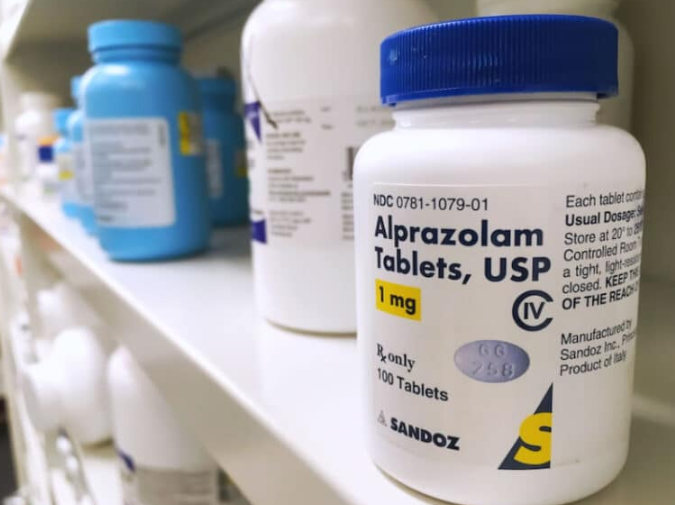
Medication is generally not a first-line treatment for specific phobias. It does not address the underlying conditioned fear response. However, for social anxiety disorder, selective serotonin reuptake inhibitors and serotonin-norepinephrine reuptake inhibitors have strong evidence behind them and are commonly prescribed alongside therapy. Beta-blockers are sometimes used situationally for performance anxiety, reducing the physical symptoms of fear like trembling and rapid heartbeat, though they do not affect the cognitive experience of anxiety. Benzodiazepines can blunt fear responses acutely, but because they promote avoidance of the emotional processing needed for long-term change, they are approached with caution in phobia contexts.
When to Seek Professional Help
A lot of people live with phobias for years before reaching out to a professional, partly because avoidance works well enough in the short term and partly because the shame barrier is real. A reasonable signal that it is time to get support is when the phobia starts making decisions for you. If you are choosing where to live, what jobs to apply for, which social events to attend, or what foods to eat based on fear avoidance, the phobia has already taken on a significant role in shaping your life.
Starting with a primary care physician is a practical first step for many people. That conversation can open a referral path to a psychologist or therapist with experience in anxiety disorders. Online directories maintained by organizations like the Association for Behavioral and Cognitive Therapies allow people to search for CBT-trained clinicians in their area. Telehealth options have expanded access considerably, which is especially relevant for people whose phobia involves leaving home or traveling.
Phobias respond well to treatment, often in a relatively short time frame. Many structured programs for specific phobias involve eight to fifteen sessions. Some intensive formats produce meaningful change in a single extended session. The duration depends on the phobia type, severity, and whether additional anxiety conditions are present. The key point is that the length of time someone has lived with a phobia does not predict how difficult it will be to treat. Phobias of thirty years’ standing have resolved with the right approach. Waiting longer does not make recovery harder, but it does mean more years of the phobia making decisions on your behalf.