Bedroom Layout Design Tips for Small Rooms

In small rooms, layout decisions hinge on precise measurements and clear zones for sleep, dressing, and passage. The approach favors compact, multifunctional furniture with hidden storage and clean, modular lines. Light hues, airy textures, and well-placed mirrors expand perceived space, while glass accents multiply depth. A design should prioritize unobstructed sightlines, under-bed storage, and clutter-free surfaces. The result balances function and restraint, inviting careful exploration of options that keep the room calm yet capable.
Assess Your Small Room: Define Zones and Measurements
Assessing a small bedroom begins with a precise map of the space. The approach centers on assess room metrics and clear zone delineation strategies, translating measurements into usable design logic. It identifies distinct areas for sleeping, dressing, and circulation, ensuring proportional relationships. Precision guides placement, avoids wasted space, and preserves openness, aligning function with aesthetic restraint and personal freedom.
Choose Compact, Multifunctional Furniture for Sleep and Storage
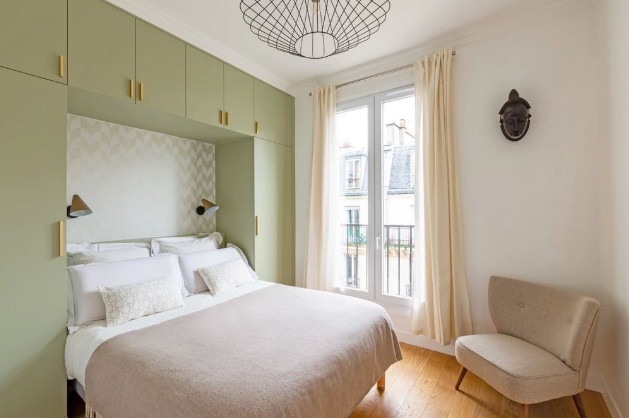
Multi-functional, compact furniture integrates sleep and storage without sacrificing floor space. The design prioritizes clean lines and adaptable silhouettes, allowing the room to breathe. Compact bedframes maximize under-bed potential, while multifunctional desks offer study or work zones without crowding the footprint. Choose pieces with hidden compartments and modular components to balance freedom with orderly, purposeful living.
Optimize Light, Color, and Mirrors to Expand Space
Light can be harnessed to expand a small room, with color and mirrors guiding the eye and brightening surfaces. The approach emphasizes Optimize light, color for visual continuity, and Mirrors for space to create airy depth. Subtle tones reflect natural daylight, while glass and mirrored accents multiply perceived space. The result remains uncluttered, cohesive, and inviting, honoring personal freedom in design.
Smart Layouts and Under-Bed Storage That Work Hard
Smart layouts and efficient under-bed storage maximize usable space without sacrificing room flow. In compact smart home interiors, furniture placement emphasizes clear sightlines and easy circulation, while hidden compartments keep clutter out of sight. Under bed storage solutions reclaim floor area without bulk, enabling versatile setups. The approach blends function with calm aesthetics, inviting freedom through organized, unobtrusive design.
Frequently Asked Questions
How Can I Maximize Closet Storage Without Crowding the Room?
To maximize closet storage without crowding, implement vertical storage, modular systems, and sliding doors; emphasize storage optimization and ceiling height perception, using tall, narrow units and mirrored fronts. The approach remains concise, aesthetic-conscious, and freedom-oriented.
See also: The Future of IoT Technology
What Colors Reduce Visual Clutter in a Tiny Bedroom?
Soft neutrals reduce visual clutter in a tiny bedroom, while calm accents maintain serenity; clean layering adds depth, and bright accents punctuate without overwhelming. The approach balances simplicity with freedom, achieving airy cohesion and expressive, uncluttered individuality.
Can a Bed Frame Affect Ceiling Height Perception?
A pause catches the room: can a bed frame affect ceiling height perception? Yes, subtly—a low, slender bed frame enhances ceiling height illusion, while a bulky frame narrows the space. Bed frame perception shapes mood, expanding or compressing ambiance.
Are Movable Dividers Better Than Fixed Walls for Small Rooms?
Movable dividers are often preferable to fixed walls for small rooms, offering flexibility and a sense of openness; fixed walls provide permanence but limit adaptability, cluttering potential. Aesthetic-conscious design favors adaptable layouts that honor personal freedom and light.
How Do I Plan Outlet Placement for Nightstands and Lighting?
Out of sight, out of mind? The plan preserves flow: map outlet spacing before furniture, ensuring nightstand lighting aligns with switches. The approach favors simplicity, comfort, and freedom in space, balancing utility with aesthetic restraint.
Conclusion
In wrapping up, the design path remains clear: define zones, measure with care, and select compact, multifunctional pieces that breathe storage into small areas. Light palettes, mirrors, and glass accents multiply openness without clutter. Thoughtful layouts preserve sightlines, while under-bed options and adaptable desks keep daily life gracefully functional. In short, small-room serenity is achieved by restraint and clever detail—think minimalism with a dash of steampunk charm, where a floating lamp becomes your midnight compass.