What Trained Hikers Usually Learn on Day Two of the Inca Trail: Strength Helps, but Expert Guidance Helps More

The second day of the trek to Machu Picchu has a way of humbling even seasoned athletes. Dead Woman’s Pass sits at 4,215 meters above sea level, and the climb toward it is where the real test begins. Cardiovascular fitness earned at sea level does not translate cleanly to high-altitude output. Most trekkers feel that gap before noon on day two.
The Inca Trail is not a route that rewards raw strength alone. Planning a trek with an operator that deploys experienced, well-trained guides gives trekkers a structural advantage that physical conditioning cannot replicate. Guides who understand altitude response, pacing strategy, and group dynamics bring real-time management to day two that keeps strong hikers from burning out on the steepest sections of the climb.
When the Body Meets the Mountain
The Altitude Gap Most Trekkers Don’t See Coming: Many fit travelers arrive having trained hard for months, only to find that leg strength is the least of their concerns on day two. At higher altitude, the body draws less oxygen from each breath, and the effort required for a steady uphill pace increases sharply. First-time high-altitude trekkers often feel that difference well before they reach the summit.
The Signs That Show Up Before the Summit: Pacing errors, mild headaches, fatigue that outpaces physical exertion, and a quiet drop in morale are common in trekkers who underestimated altitude’s role in the effort equation. Hydration mistakes compound the problem. A trekker who felt strong at morning camp can find the final push to 4,215 meters genuinely difficult by midday, regardless of fitness level.
What a Skilled Guide Actually Does on the Ascent
Pacing as a Practice, Not a Preference: One of the less visible skills a good guide brings is the ability to read a group’s aerobic capacity in real time and adjust pace before anyone voices a complaint. On day two, going even slightly too fast early on costs the group later. Experienced guides hold a slower rhythm than most athletes would choose, and it consistently pays off.
Breathing, Breaks, and the Mental Side of Day Two: Guides trained in altitude acclimatization know that rest stops are not simply for rest. They are moments to monitor breathing, check in individually with trekkers showing early symptoms, and reset group rhythm. Many athletic trekkers push through discomfort instinctively, which can turn mild symptoms into a larger problem. A skilled guide intercepts those instincts before they become decisions.
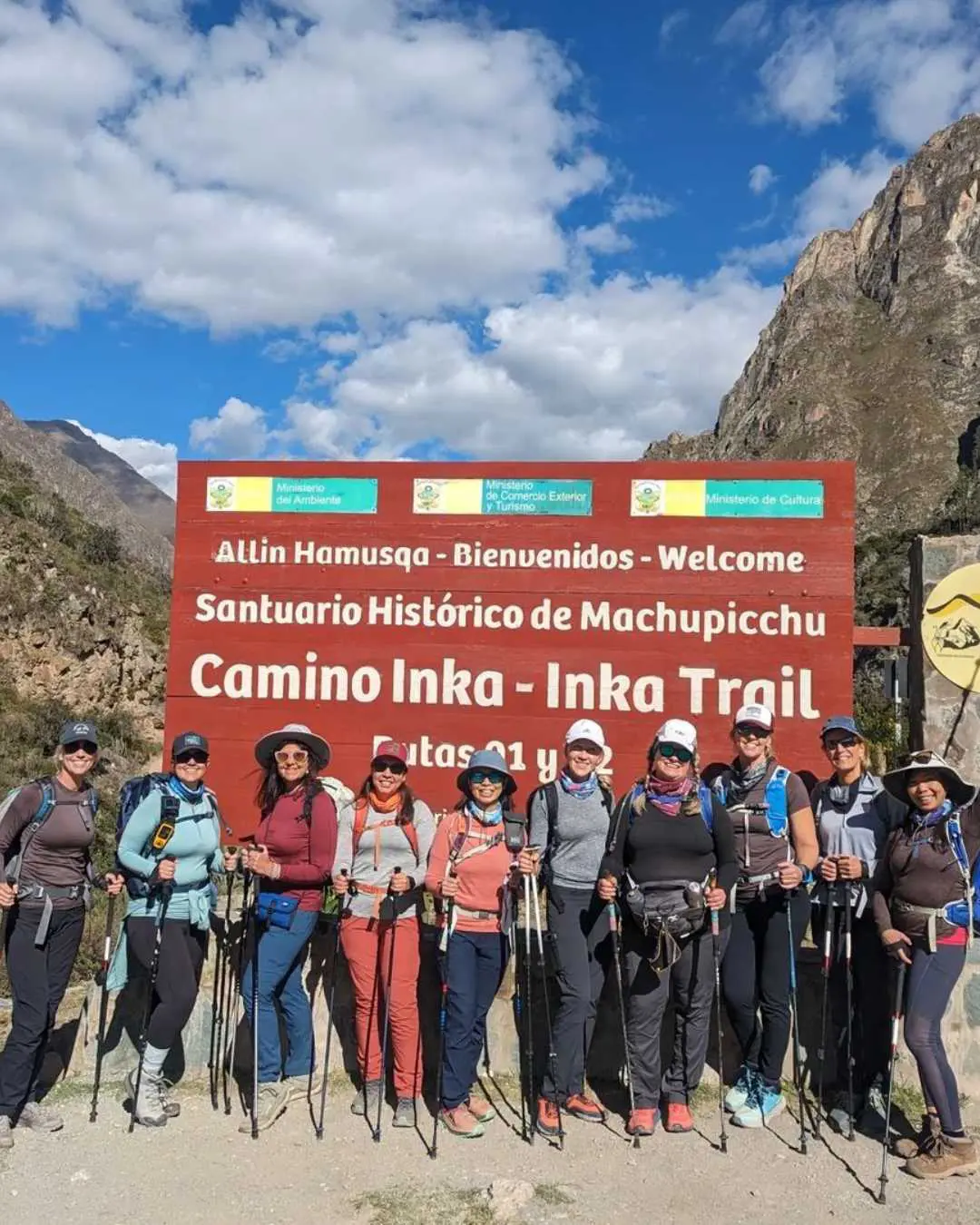
When Pace Groups Form on the Ascent: Not every trekker moves at the same speed on the climb, and experienced guides manage that variation without letting slower trekkers feel left behind. Keeping both pace groups within sight and checking in at key waypoints is standard trail management. That kind of in-the-moment adjustment matters more on day two than on any other section of the four-day route.
See also: How One Way Taxi Booking Works When You Travel Across Tamil Nadu
What Guides Do Before the First Boot Hits the Trail
Pre-Trek Preparation as Part of the Service: The work experienced guides do starts well before the climb on the trailhead. Pre-departure briefings cover acclimatization days in Cusco, hydration strategy, sleep at altitude, and what physical signals to watch for on day two specifically. Trekkers who arrive informed about what to expect from their own bodies tend to manage the ascent more effectively than those who receive no preparation.
What Guides Cover in Pre-Trek Briefings: Pre-trip communication covers more ground than most trekkers expect. Altitude awareness, daily hydration goals, gear checks specific to each day’s terrain, and early symptom recognition are typically addressed before departure. Trekkers who walk into day two already knowing what to watch for are far better prepared to communicate with their guide and make smart decisions under fatigue.
- Acclimatization timing: spending the right number of days in Cusco before the trek begins reduces the shock of rapid elevation gain on day one and two.
- Hydration targets: guides recommend specific daily water intake based on exertion level and altitude, which most travelers underestimate before receiving the briefing.
- Symptom recognition: trekkers learn to distinguish normal fatigue from early signs of altitude sickness so they can communicate clearly with their guide on the trail.
- Pacing expectations: understanding that a slower pace at altitude is a strategy, not a weakness, shifts how trekkers approach the climb from the first step.
- Gear checks: knowing which layers, poles, and footwear adjustments matter most on the day two terrain helps trekkers start the ascent already optimized.
The Ground-Level Edge That Changes Day Two
Hiking Tips That Hold Up at Elevation: The most useful hiking tips for this route are not the ones built for sea-level terrain. Trekkers benefit most from advice tailored to altitude, including how to breathe through uphill sections, when to eat small amounts rather than large meals, and how to use trekking poles to transfer load away from the legs during long ascents.
Advantages of Hiking With Experienced Guidance: The advantages of hiking with a guide who knows this terrain go beyond route knowledge. On a climb as demanding as day two, a seasoned guide functions as a real-time performance manager. They notice when a trekker’s stride shortens, when someone is masking early fatigue, and when the group needs a reset before the final push to Dead Woman’s Pass.
The Summit Is Already Closer Than It Feels
Day two rewards those who prepare well and follow the right guidance on the ascent. Strong hikers who pair their fitness with experienced trail management consistently perform better, recover faster at camp, and arrive at Machu Picchu with energy to spare. To plan a trek with guides who know this terrain every season, reach out through WhatsApp or the website contact form to start building an itinerary around your schedule.